Commercial
Self-storage advertised rents slide further negative as supply glut persists
By Real Estate Wire Staff, . Real Estate Wire.
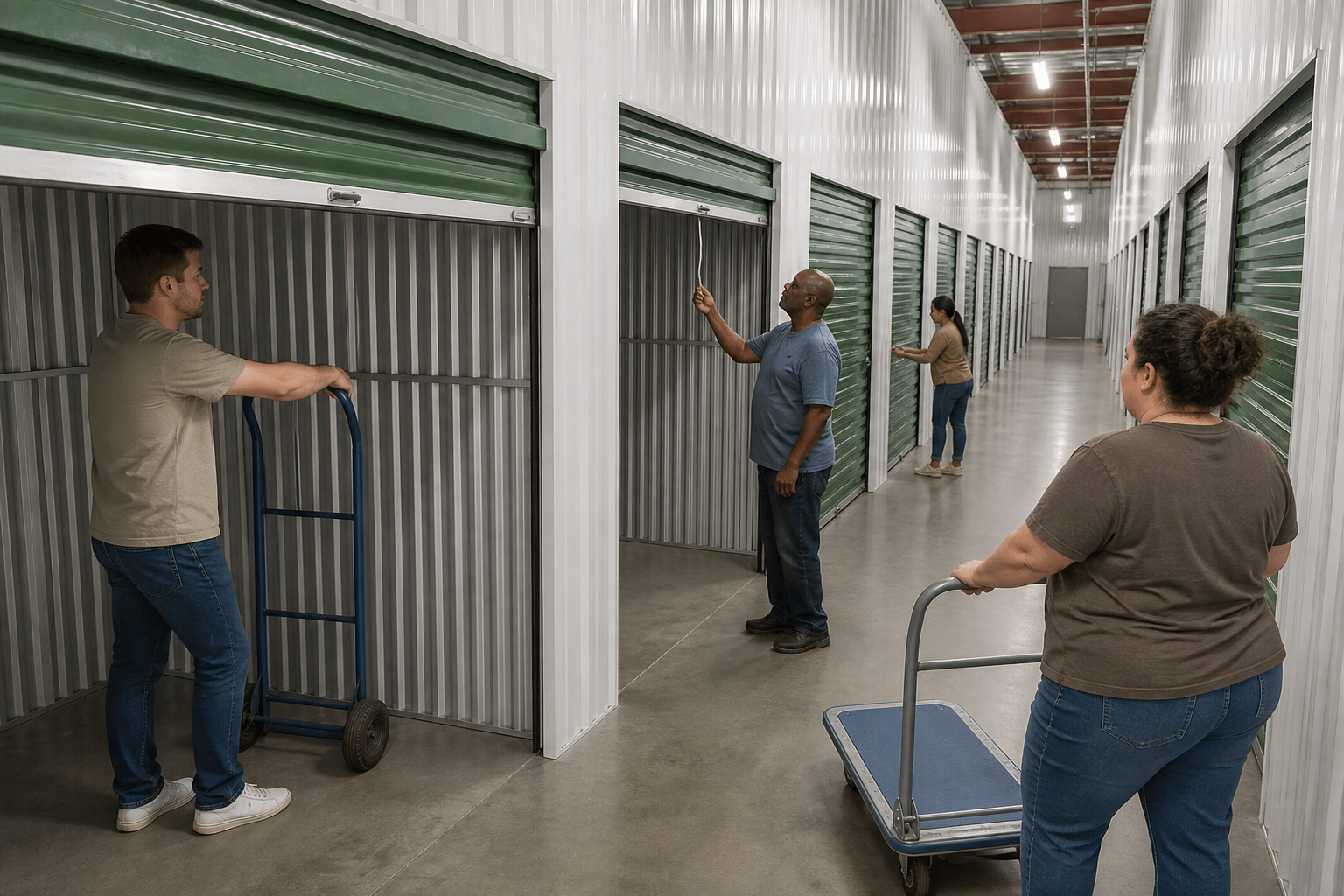
Rates advertised for self-storage units were down 1.9% from a year earlier in August, according to Yardi Matrix's September Self-Storage Report, a deeper slide than the 1.6% annual fall recorded in July and the 1.5% in June. The direction of travel is clear and it is not improving.
Across the country's 30 biggest metro areas, REJournals reported, only four, Minneapolis, Salt Lake City, Indianapolis and New York City, logged year-over-year gains in advertised rates on non-climate-controlled units during August. For climate-controlled units, Austin and San Francisco were the only two markets in positive territory year over year. On a month-over-month basis, just Indianapolis, Detroit and San Diego recorded any positive advertised rate movement in August. That is a thin list.
The pressure is structural, not cyclical. Yardi Matrix pointed to a national development pipeline that has slowed but has not yet stopped delivering space, leaving many metropolitan areas still working through elevated levels of recently completed storage inventory. At the same time, the two demand drivers that historically pull people into storage, domestic migration and home sales, remain depressed. With the U.S. Bureau of Labor Statistics reporting overall consumer prices up 3.4% year over year in August 2026, household budgets are under pressure, which may further limit discretionary spending on storage units by renters and homeowners alike.
Occupancy has held up better than rents, but that resilience is not translating into revenue. The spread between what existing tenants pay and the rates quoted to new customers is a real problem for operators: when fresh leases get signed at lower advertised rates while existing customers do not get the rent bumps that were common during stronger cycles, revenue growth stalls even when facilities stay full. That dynamic is difficult to reverse without either a meaningful reduction in competing supply or a genuine pickup in demand.
Investor sentiment, however, appears to be separating from operating fundamentals. Yardi Matrix noted that large investors still favor self-storage, and that pricing and transaction activity have extended a gradual recovery through 2026. That divergence, operators under rent pressure while institutional capital stays interested, suggests the market is being priced on a recovery thesis rather than current income. Whether that thesis holds depends on how fast excess supply is absorbed.
No official reports establish a timeline for when the supply-demand balance is likely to shift in the hardest-hit markets. The Yardi Matrix dataset covers operational profiles on 33,283 completed self-storage facilities in the U.S., which gives the figures broad coverage, but the report does not break out which specific markets face the longest absorption runway.
For operators, the near-term picture is one of managed decline: hold occupancy, limit rate concessions where possible, and wait for the pipeline to thin. For investors already in the sector, the question is whether the gradual recovery in transaction pricing reflects genuine fundamental improvement or simply the return of capital to a sector with a strong long-term track record. Those are not the same thing, and the August rent data suggests the former has not yet arrived.