Mortgage
Sun Belt foreclosure rates lead nation as completed repossessions surge 42% year-over-year
By Real Estate Wire Staff, . Real Estate Wire.
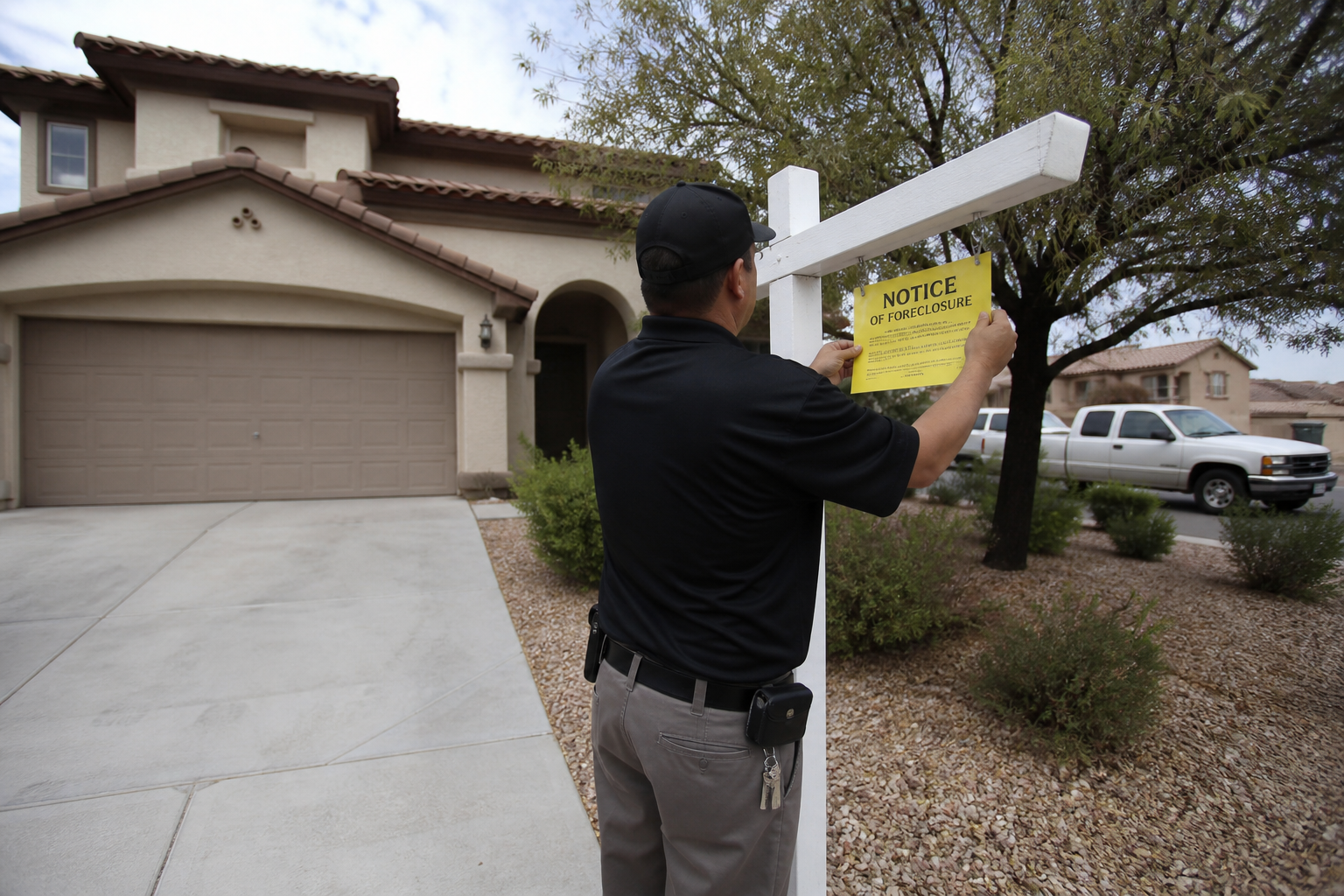
South Carolina recorded the worst foreclosure rate in the country in August at one in every 1,547 homes, with Nevada and Florida close behind at one in 1,920 and one in 2,397 properties respectively, according to Attom data cited by National Mortgage News. Nationwide, one in every 3,569 properties, totaling 40,277 units, recorded a new default notice, scheduled auction or bank repossession during the month.
The headline number from the report is the completed repossession figure. Lenders took back 5,794 homes in August, up 21.6% from July's 4,764 and up 42.1% from 4,077 in August of last year, Attom found. That annual jump is the kind of acceleration that moves from a monitoring item to an active concern for servicers carrying Sun Belt portfolios. Foreclosure starts, by contrast, fell 2.8% month over month to 25,894, though they remain 6.8% above year-ago levels.
Three South Carolina cities ranked among the five worst foreclosure markets in the country, all in the Sun Belt. Columbia led with one filing per 1,232 homes, followed by Spartanburg at one in 1,262 and Charleston at one in 1,501, according to National Mortgage News.
The volume leaders by raw starts were the three most populous Sun Belt states: Florida at 3,189, Texas at 3,126 and California at 2,565. Those numbers reflect population size as much as distress rate, but they also represent the largest absolute pools of loans at risk of progressing to repossession.
National Mortgage News points to a structural driver that goes beyond rate sensitivity. Borrowers who arrived in Sun Belt markets after 2022 purchased into a period when mortgage rates had more than doubled from earlier-decade lows, and with rates remaining above 6% since June 2022, refinance relief has been essentially unavailable. A separate LegalShield report cited earlier this year found that surges in property tax and home insurance costs, not rates alone, are adding to payment pressure in the South, with stress at its highest level since 2019.
Attom CEO Rob Barber, quoted in a press release cited by National Mortgage News, offered a measured read: "While some homeowners are still facing financial challenges, overall foreclosure volumes remain well below historical norms and the broader housing market continues to demonstrate resilience."
That framing is worth taking seriously, but the completed-repossession trajectory is harder to dismiss. The gap between starts and completions has been narrowing, which suggests the pipeline built up during earlier distress cycles is now clearing. For servicers, the practical question is whether loss mitigation capacity is scaled to match the pace of completions, not just the pace of new filings.
Some regional relief is visible. Cleveland, Washington D.C. and Providence, Rhode Island saw the largest year-over-year declines in foreclosure starts, according to National Mortgage News, suggesting the Midwest and parts of the East Coast are moving in the opposite direction.
What the Attom data does not establish is how much of the Sun Belt distress is concentrated in specific loan vintages, product types or servicer books. That granularity would sharpen the exposure picture considerably. Watch whether September data shows the completed-repossession rate sustaining above 5,500 units, which would confirm a trend rather than a one-month spike.
Source: https://www.nationalmortgagenews.com/news/sun-belt-residents-show-greatest-need-of-servicing-help