Residential
New York City Risks Losing 63,700 Affordable Apartments It Cannot Afford to Rebuild
By Real Estate Wire Staff, . Real Estate Wire.
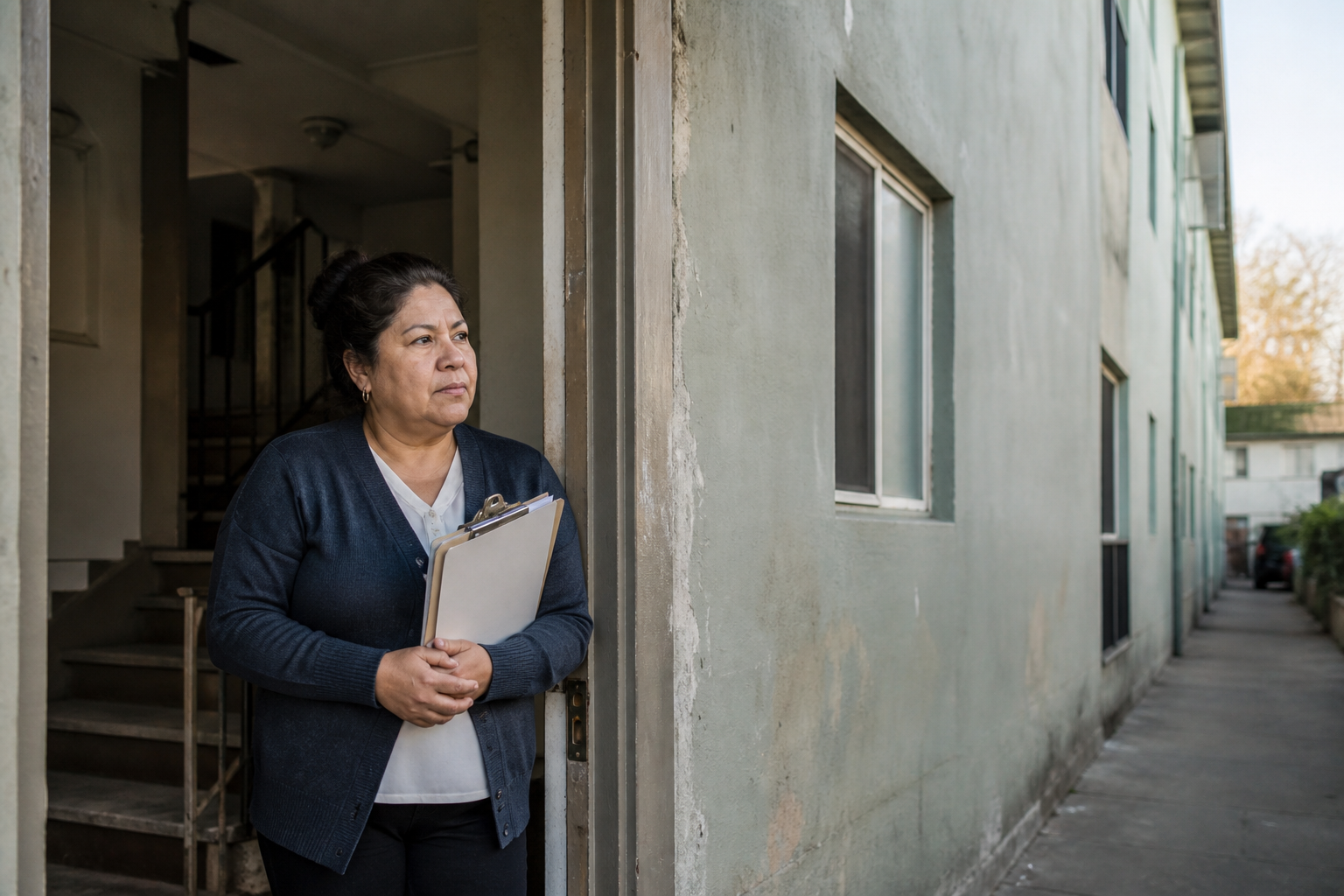
New York City's affordable housing plan is built around two numbers: 350,000 new homes and 100,000 preserved units over five years, targets drawn from the city's recently released Fair Housing Growth Strategy. But a 2026 report from the Association for Neighborhood & Housing Development found that more than 63,700 subsidized affordable apartments are already in financial distress, and the cost of replacing them through new construction could run anywhere from $10.2 billion to $26.8 billion in public subsidies alone.
The gap between preservation and replacement costs is the central argument in a HousingWire column by Victoria Gousse, Principal and Chief Investment Officer at A. Walker & Co. Her case rests on a direct comparison of recent projects.
What the numbers actually show
The Reid Park Rock development in East New York, a 1,696-unit, 87-building complex redeveloped by Fairstead, BRB, LDCENY and NYHCA, came in at roughly $375,000 per unit to acquire, restructure and fully modernize. Financing was assembled from Vistria's impact capital, Merchants Bank and subordinate subsidy financing from the City of New York, alongside expanded HUD rental subsidies.
Two nearby new-construction projects tell a different story. Innovative Urban Village, also in East New York, delivered 385 units at a total cost of $270 million, working out to about $700,000 per unit. Alafia Phase I, a 576-unit property in the same neighborhood, came in at $387 million, or roughly $672,000 per unit. Both landed at roughly 80 percent more per unit than the Reid Park Rock preservation deal.
Why affordable housing keeps running into financing walls
The structural problem is straightforward. Affordable housing caps rents by income, which limits revenue, while maintenance, insurance, utilities and capital improvements keep rising. The Association for Neighborhood & Housing Development describes preserving existing subsidized housing as "the most practical and cost-effective strategy to maintain affordability in New York City."
Gousse argues that public-private capital structures, combining subsidies, subordinate financing, private investment, tax incentives and long-term debt, can bridge the gap that conventional lenders will not cross on their own. Public capital absorbs the risks that would otherwise kill a deal; private capital brings underwriting discipline and long-term financing capacity.
Operating cost pressures are real and measurable. Household electricity prices were up 4.4 percent year on year as of September 2026, according to the US Bureau of Labor Statistics, and overall consumer prices rose 3.7 percent over the same period. For affordable properties with capped revenues, that kind of cost inflation compounds the financing gap Gousse describes.
What this means for investors and policymakers
The analysis suggests that every distressed subsidized unit that goes unpreserved does not simply disappear from the books. It becomes a future replacement cost that is, on the evidence above, roughly 80 percent more expensive to cover. That is a compounding liability, not a deferred line item.
What the ANHD report does not establish is how many of the 63,700 distressed units are actually viable for preservation, or what share will reach the point of no return before capital is deployed. Those figures would sharpen the urgency considerably.
For developers, lenders and city officials working the preservation side of New York's housing plan, the practical question is whether the 100,000-unit preservation target is backed by the same financing infrastructure, deal flow and execution capacity as the new-construction pipeline. Gousse's argument is that it is not, and the per-unit cost comparison gives that argument real weight.
Source: https://www.housingwire.com/articles/nyc-affordable-housing-preservation/
Real Estate Wire provides news and information, not real estate, legal, or financial advice. Consult a qualified professional about your specific needs.