Residential
Manchester-Nashua Falls Out of Top 20 Hottest Markets After 6-Year Run
By Real Estate Wire Staff, . Real Estate Wire.
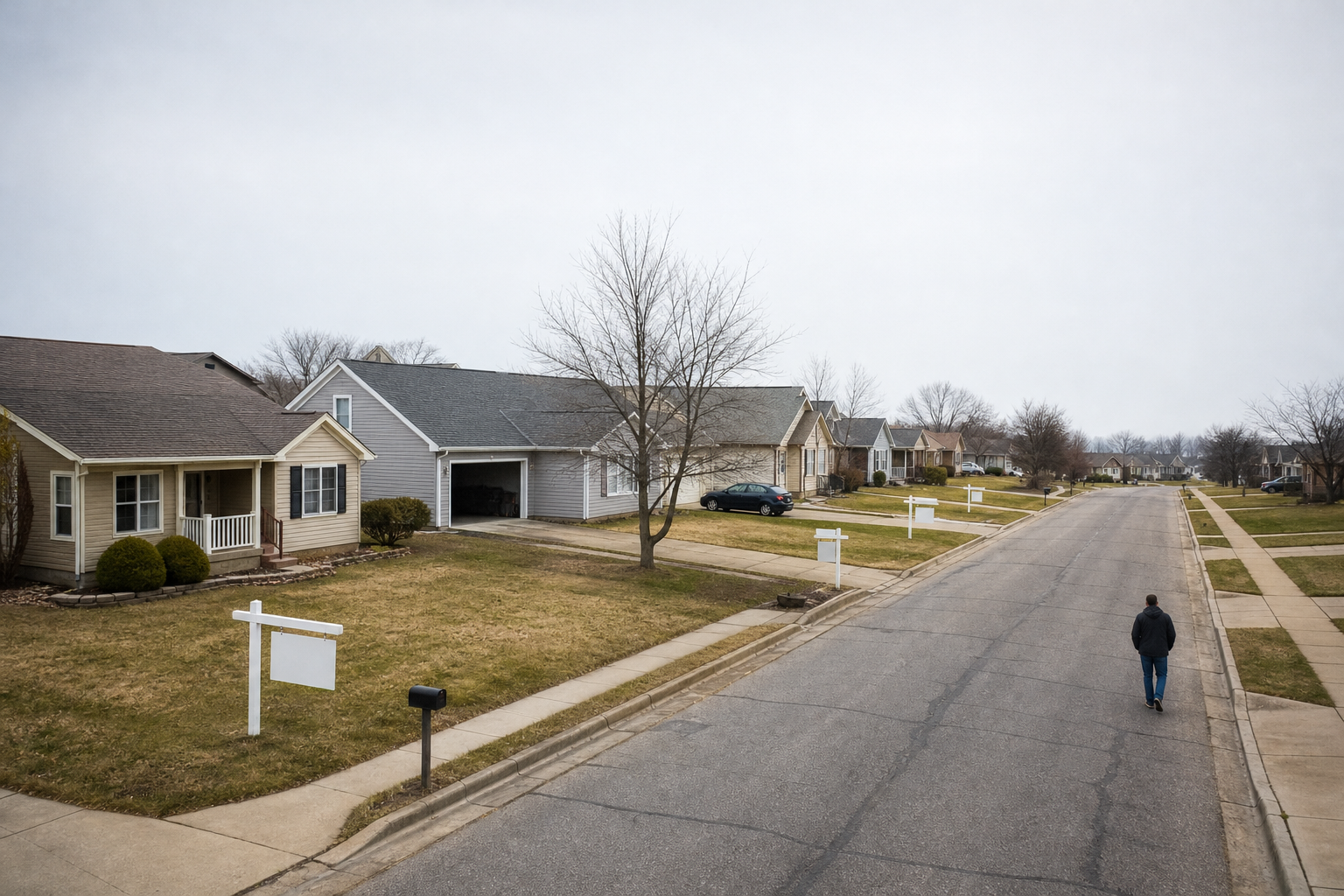
Manchester-Nashua, New Hampshire, has dropped out of Realtor.com's top 20 hottest housing markets for the first time since March 2020, according to the publication's September 2026 ranking. The metro fell to 38th after ranking eighth in July and 30th in August, a collapse that Realtor.com senior economist Hannah Jones ties directly to days on market rather than demand.
"The typical Manchester home's time on market extended to 48 days in September, roughly a week or longer than the nation's hottest markets, driving the metro's drop down the list," Jones said. Listings in the metro still draw 2.7 times the viewership of a typical U.S. home, so buyer interest has not evaporated; what has changed is how long it takes to convert that interest into a signed contract.
The affordability math explains much of the hesitation. The median listing price in Manchester sat at $579,900 in September, which Realtor.com notes is nearly $200,000 below comparable Boston-area pricing for buyers willing to commute 50 miles. But mortgage rates crossing 7% during the same period tightened the monthly payment calculus considerably. New Hampshire Housing's September report adds a harder number to that picture: based on the statewide median single-family sale price of $575,000 recorded in June, a buyer would need roughly $189,000 in annual household income to qualify, a threshold only 15% of the state's households can clear.
Suzanne Damon, founder and chief executive of The Damon Home Team in Manchester, told Realtor.com that buyer fatigue is compounding the rate problem. "Repeated bidding wars, limited choices, and the fear of stretching too far can make buyers more cautious about moving forward," she said. She also pushed back on the idea that thin inventory automatically creates buying power: "Low inventory doesn't create buying power," she said. "When the payment stretches beyond what buyers can carry, they have less room to meet a seller's asking price." New Hampshire Realtors' August city-level data put Manchester's supply at just 0.8 months, confirming that scarcity alone is no longer enough to keep the market moving at its former pace.
For sellers, the recalibration is real. Damon told Realtor.com that motivated sellers are now bringing inspections, repairs, closing-cost assistance and rate buydowns back into negotiations, concessions that were largely off the table during the bidding-war years. On what it takes to move a listing, she was direct: "I firmly believe there are three reasons a property doesn't sell: marketing; condition, which includes location in my assessment; or price," she said. "It may be one of those factors or a combination of all three."
Not everyone reads the slowdown as bad news. Bob Quinn, chief executive of the New Hampshire Association of Realtors, told Realtor.com that more inventory and a slower rate of price appreciation open the market to buyers who were previously priced out. "That translates into more workers being able to move into the city, driving Manchester's diverse economy," Quinn said.
The metro that took the top spot in September was Kenosha, Wisconsin, which Realtor.com reports attracted three times the national average of viewers per property and saw homes sell in 32 days, roughly a month faster than the national norm. Jones described Kenosha's rise as part of a broader pattern of affordable alternative metros, smaller regional hubs within commuting distance of major job centers, drawing buyers who can no longer make the numbers work in the primary market. Providence, Rhode Island, and Hartford, Connecticut, are playing the same role relative to Boston and New York, with Realtor.com noting savings of $200,000 or more for buyers willing to relocate.
Manchester held the number-one position 35 times in Realtor.com's data going back to 2017, more than any other metro in the series. Whether September marks the start of a structural reset or a rate-driven pause depends largely on where mortgage costs go from here. At 7%-plus, the monthly payment on a $579,900 home leaves little margin for the bidding premiums that defined this market for the better part of six years. Until that changes, sellers and their brokers will need to compete on terms, not just price.
Source: https://www.realtor.com/news/trends/manchester-nh-hottest-markets-report-september-2026/