Mortgage
Fed Hawks Are Keeping Mortgage Rates Above 7% Despite Falling Oil and AI Stocks
By Real Estate Wire Staff, . Real Estate Wire.
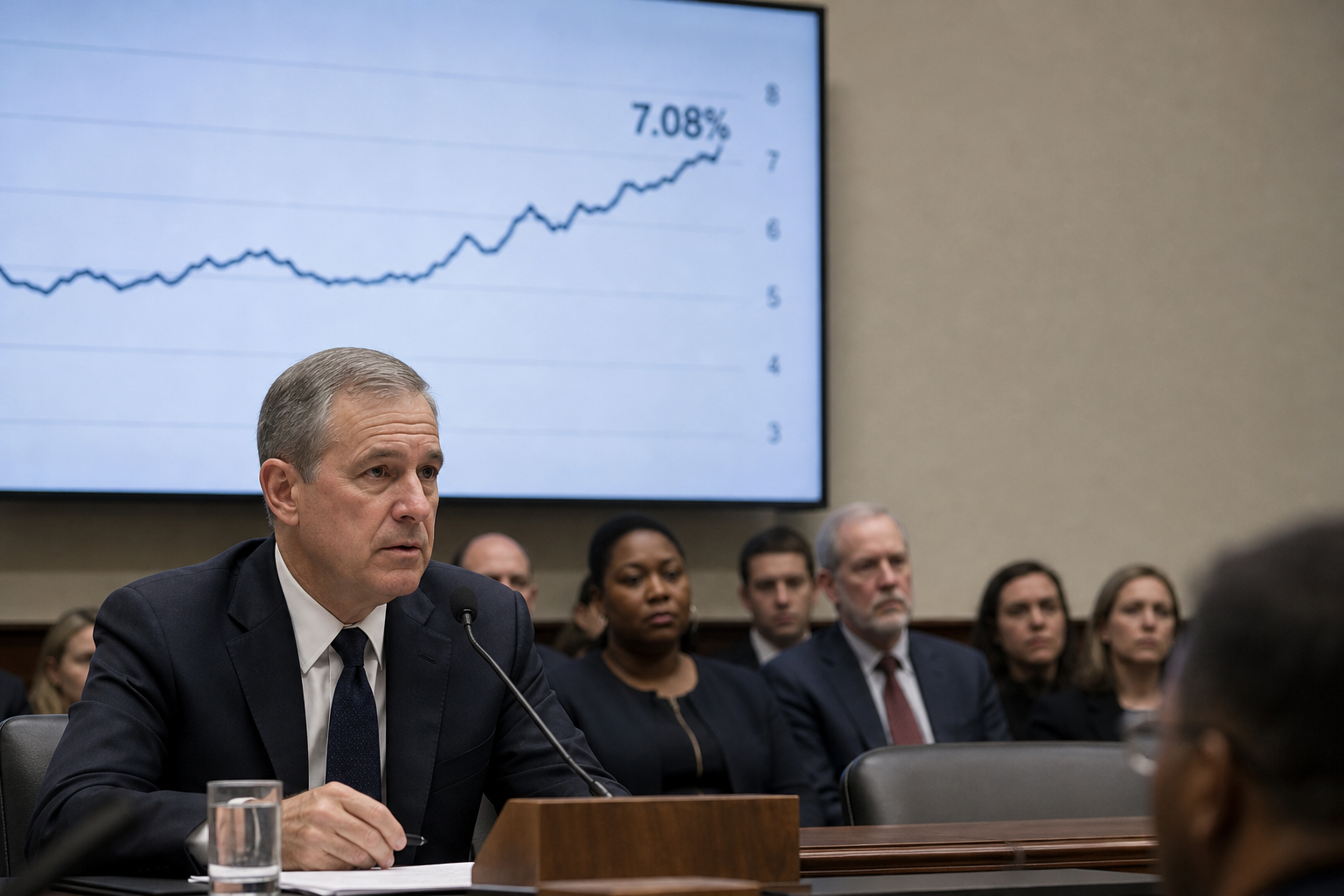
Mortgage rates are still above 7.30% and the 10-year Treasury yield is sitting near 4.94%, even as AI stocks sell off and oil prices fall. For anyone expecting those market moves to bring relief to homebuyers and borrowers, HousingWire has a clear answer: the Federal Reserve is the reason.
What the market is doing
Two forces that would typically push bond yields lower have both moved in the "right" direction recently. Oil prices have dropped, and AI-related equities have taken a significant hit. CoreWeave, which the report uses as a proxy for AI sector sentiment, has seen its stock price fall sharply after financing difficulties soured markets on the sector broadly. That sell-off has helped keep the 10-year yield from climbing past 5.35%, and yields have pulled back from that ceiling. But they have not fallen far enough to bring mortgage rates below 7%.
Lower oil prices have not cleared 4.70% on the 10-year yield either. The last time oil traded in the range that would meaningfully help bond markets, according to the report, was when a deal with Iran was announced in June.
Why the Fed is the obstacle
Fed officials have not responded to falling oil prices with any signal of relief. Cleveland Fed President Beth Hammack, described in the report as a Fed hawk, argued that lower oil prices were actually a negative for inflation because consumers would redirect that spending elsewhere. No Fed members offered a positive read on lower oil during the period when crude was trading between $68 and $82.
Over the past two weeks, Fed hawks have spoken publicly about additional rate increases, including the possibility of a 50-basis-point hike. The report's argument is direct: if the same oil and AI news had arrived four weeks earlier, before that stretch of hawkish commentary, the 10-year yield and mortgage rates would already be lower. The US dollar's stability through recent market volatility supports that reading, since a rattled Fed would typically show up in currency moves.
The Fed's stated goal, as the report frames it, is to reclaim the "insurance" rate cuts made last year. Until officials are satisfied that inflation risks have genuinely eased, they appear willing to hold yields elevated regardless of what equity markets or commodity prices are doing.
What this means for buyers and the housing market
For prospective homebuyers, the practical effect is that the stock market drama of recent weeks has not translated into cheaper borrowing. Rates above 7.30% continue to price out a significant share of buyers and keep existing homeowners locked into lower-rate mortgages they are reluctant to give up, which suppresses inventory.
Consumer prices were up 3.7% year on year as of September 2026, according to the US Bureau of Labor Statistics. That figure helps explain why the Fed is not yet ready to declare victory: inflation has not fallen far enough to justify a pivot, and officials appear determined not to let bond markets run ahead of them.
The two levels to watch on the 10-year yield, per the analysis, are 5.35% and 5.15%. Both have held as ceilings in recent weeks. A sustained move below 4.70% would require either a meaningful shift in Fed tone or a more prolonged deterioration in economic data. Until one of those arrives, sub-7% mortgage rates remain out of reach.
Source: https://www.housingwire.com/articles/10-year-yield-mortgage-rates-fed/
Real Estate Wire provides news and information, not real estate, legal, or financial advice. Consult a qualified professional about your specific needs.